


A welcome email series is the automated sequence that turns a new subscriber into a first time buyer, and in many cases into a repeat buyer. A single welcome email can confirm a signup and deliver a promised discount, but it cannot tell a brand story, show best sellers, answer common questions, and build trust, all in one short message. A series spreads that work across several emails, each with one job, sent over the first one to two weeks after signup, when interest is highest. This guide shows how many emails a welcome series should have, what each email should do, how to time the sequence, how to write copy and subject lines that earn clicks, and how to measure results and fix weak spots.
The reason a series works is timing plus relevance. A new subscriber has just taken an action, so the brand is fresh in mind and the inbox is open. Omnisend reports in its 2026 Ecommerce Marketing Report that welcome automations generate about 6.30 dollars per email, far above manual campaigns at about 0.18 dollars per email, with a click to conversion rate of 52.98 percent. Those figures describe ecommerce welcome automations in the Omnisend dataset, not a promise for every sender, but they explain why the welcome series is usually the first automation a serious sender builds. The how to build an email list guide covers how to earn the signup that starts this sequence, and the ecommerce email marketing guide shows where the welcome series sits among the other core store flows.
What Is a Welcome Email Series
A welcome email series is a set of automated emails triggered by a signup, a new account, or an event registration. The trigger matters, because it decides what the subscriber expects. A person who joined for a discount expects the discount in the first email. A person who joined for a guide expects the guide. A person who created an account expects confirmation and a clear first step. When the first email matches the promise that earned the signup, trust starts well. When it does not, the subscriber may ignore the next emails, or unsubscribe before the series has a chance to work.
Most welcome series contain three to six emails. A short series suits a simple offer and a short buying cycle. A longer series suits a high price product, a product that needs setup, or a brand story that takes more than one email to tell. The structure below is the pattern used across ecommerce, SaaS, and newsletter senders, with the details adapted to each business. The welcome series is not a sales blast repeated five times. Each email adds new value, and the series stops for any subscriber who buys or takes the main action, so the sender never sends a discount reminder to a person who already used the discount.
A welcome series also differs from onboarding. Onboarding helps a new customer use a product after purchase, with setup steps and feature guidance. A welcome series comes before purchase for most senders, and its job is to move a subscriber toward a first meaningful action, which may be a purchase, a trial start, a booking, or a return visit. For SaaS senders the first action is often activation, such as completing a profile or finishing a first project. For newsletter senders it is often a reply, a click to a top article, or a preference answer. Define that one action before writing email one, because every email in the series should point toward it in some way.
Why the Welcome Window Matters
The first days after signup are the highest leverage moment in email marketing. The subscriber chose to hear from the brand, remembers why, and is watching to see whether the brand delivers on the signup promise. A fast first email confirms the choice. A slow first email, sent hours later or in the next batch, arrives after the moment has cooled. Bloomreach notes that many subscribers expect a welcome email immediately after subscribing, and that the welcome window sets the trajectory for the whole customer relationship. Treat the first email as time sensitive, and send it through an event trigger, not through a daily batch.
Benchmarks confirm that welcome emails earn more attention than ordinary campaigns. Omnisend reports welcome automation benchmarks of a 33.79 percent open rate, a 3.78 percent click to sent rate, a 2.00 percent conversion rate, and an average order value of 315 dollars in its 2026 dataset. Read those figures with care. Open rates are less reliable than before Apple Mail Privacy Protection, because machine opens inflate some counts. Click rates, conversion rates, and revenue per recipient are stronger signals, because each one requires a real action. The open rate guide explains how to read open rates after privacy changes, and the open rate diagnostics guide helps when a welcome series underperforms.
Personalization matters at this stage, because the subscriber has given little data yet. A welcome email that uses the signup source or one preference answer feels written for one person. The zero party data guide shows how a short preference question can collect declared data for later sends, and the AI email personalization guide covers how dynamic content can adapt later emails.
How Many Emails Should a Welcome Series Have
Start with four emails for most businesses, then adjust from the data. Three emails can work for a low price consumable with a simple offer. Five or six emails can work for a high price product, a long consideration cycle, or a SaaS product that needs activation steps. More than six emails risks fatigue, unless each email adds clear new value and the subscriber is still engaging. The table below gives a starting point by business type, with the reason for each length.
| Business type | Series length | Why this length works |
|---|---|---|
| Low price ecommerce | 3 to 4 emails | Short buying cycle, simple offer, fast decision |
| Mid price ecommerce | 4 to 5 emails | Needs story, proof, and one incentive reminder |
| High price ecommerce | 5 to 6 emails | Needs education, proof, and reassurance before purchase |
| SaaS and B2B | 5 emails over 14 days | Needs activation steps, feature guidance, and a case study |
| Newsletter and creator | 3 to 4 emails | Goal is habit and trust, not a hard sale |
Length alone does not decide results. Spacing, exit rules, and relevance decide results. A five email series with strict exit rules and one clear call to action per email will outperform an eight email series that repeats the same offer. Watch engagement by email position. If rates fall sharply after email three, the series is too long for that audience. If most purchases happen after email four, cutting to three emails would lose sales. Let the data set the length, and review it every quarter, not every week.
Tip: Build the exit rule before writing the copy. A subscriber who buys, starts a trial, or completes the main action must leave the promotional welcome series at once and move to the post purchase or onboarding sequence. A welcome discount reminder sent after purchase is one of the fastest ways to lose trust.
A Proven 5 Email Welcome Series Blueprint
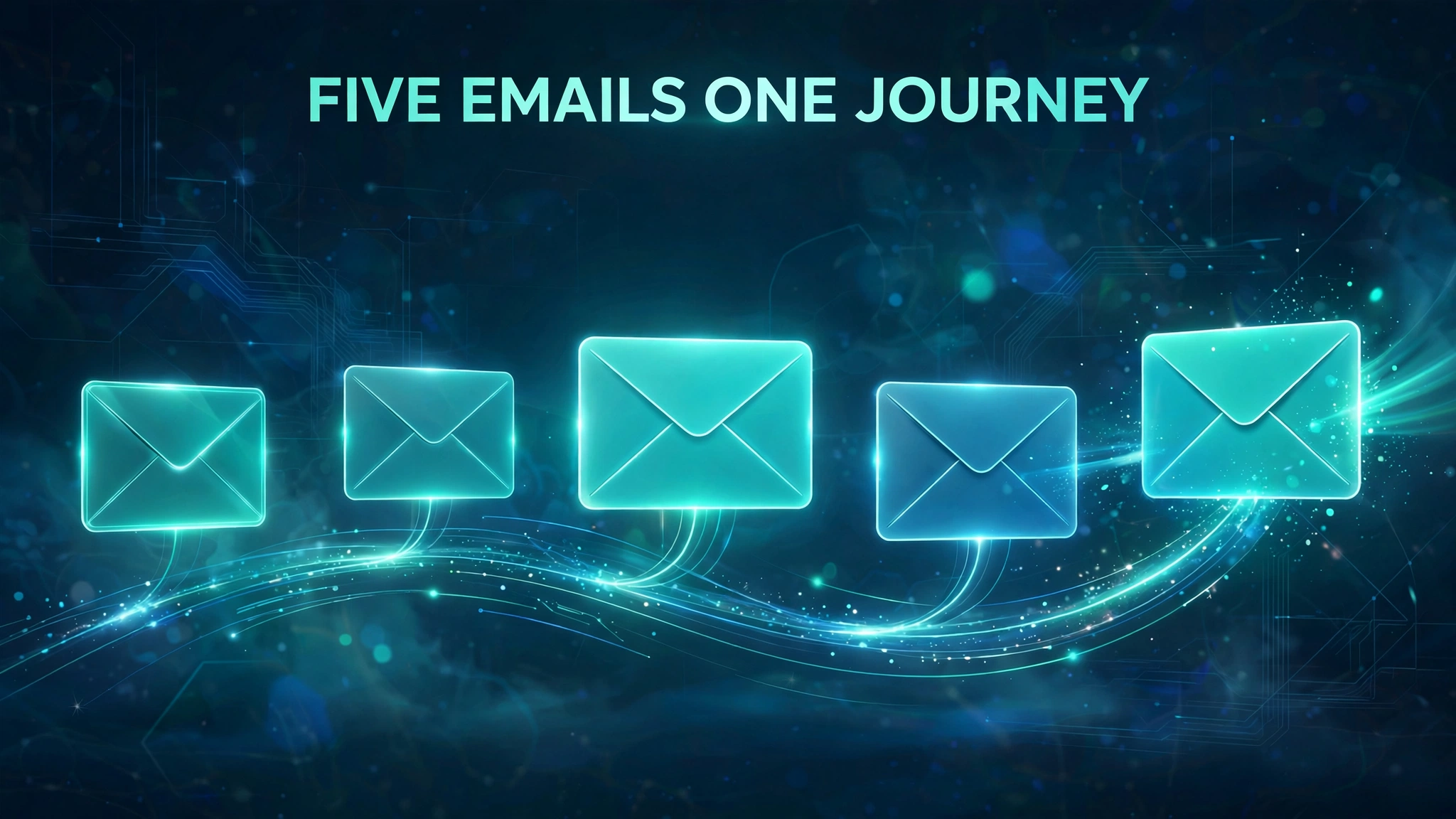
The blueprint below works as a starting template for most senders. Adapt the content to the business, but keep the order, because each email prepares the next one. Email one delivers the promise. Email two tells the story. Email three shows proof. Email four teaches. Email five gives a final reason to act, only to subscribers who have not acted yet.
| Timing | Job of the email | Main call to action | |
|---|---|---|---|
| Email 1 | Immediately after signup | Confirm signup and deliver the promised incentive or resource | Claim the offer or open the resource |
| Email 2 | Day 2 or 3 | Tell the brand story and state what makes the offer different | Read the story or meet the brand |
| Email 3 | Day 5 or 6 | Show best sellers, reviews, and social proof | Shop best sellers |
| Email 4 | Day 8 or 9 | Teach one useful thing and help the subscriber succeed | Try the tip or complete one step |
| Email 5 | Day 12 to 14 | Remind non buyers of an expiring offer and close the series | Use the code before expiry |
Email 1: Deliver the Promise at Once
Email one must arrive within minutes, not hours. Put the promised incentive or resource at the top, with clear redemption steps and an expiry date if one exists. State what emails will follow, how often they will arrive, and what value they will bring. Add one clear call to action, and keep the rest short. A long first email buries the promise. For a discount signup, the code should be prominent and ready to copy. For a guide signup, the download link should be the first thing the reader sees. For an account signup, the next step, such as completing a profile, should be unmistakable.
Email 2: Tell the Brand Story in Short Form
Email two answers a simple question: why does this brand exist, and why should a new subscriber care. Keep it to one story, not a company history. A founder note, a problem the brand solves, or a short account of how a product is made will do more than a list of features. Avoid a hard sell in this email. The goal is connection, so the reader remembers the brand when email three arrives. End with one soft call to action, such as reading a short story page or browsing one category, not a demand to buy at once.
Email 3: Show Proof With Best Sellers and Reviews
Email three helps a subscriber decide what to buy or try first. Show a short list of best sellers or most read content, with one line for each item explaining why people pick it. Add genuine reviews or ratings for the exact items shown, not general claims about the brand. Reviews for the product in view are more persuasive than a general claim about quality. If the sender has no reviews yet, use a clear explanation of how a product works, a comparison of two or three options, or a short customer quote with permission. Never invent social proof, because one fake review can undo the trust built by the first two emails.
Email 4: Teach One Useful Thing
Email four earns attention by helping, not selling. Teach one skill, share one checklist, answer one common question, or show one way to get more value from a product. A skincare brand can share a short routine. A SaaS brand can share a setup checklist. A newsletter can share a curated reading list. The teaching email also gives useful data: what the subscriber clicks reveals what they care about, and that click can shape later segments. The email and SMS automation guide shows how a teaching email can sit inside a wider omnichannel journey without duplicating the welcome series.
Email 5: Close With a Clear Final Reason
Email five goes only to subscribers who have not bought or taken the main action. Restate the offer with a real deadline, or give a final reason to act, such as a last chance to use a code, a limited bonus, or a clear next step. Do not introduce new products here. The email should focus on expiring value and one call to action. After email five, the series ends. Subscribers who engaged but did not buy move to regular campaigns and segments. Subscribers who did not engage move to a re engagement check, and the email sunset policy guide explains when to stop sending to contacts who stay inactive.
Welcome Email Timing and Spacing
Timing has two parts: how fast the first email arrives, and how far apart the later emails sit. The first email should trigger on signup, within minutes. Later emails should spread over the first one to two weeks, with two to three days between sends for most businesses. That spacing keeps the brand visible during the high intent window without crowding the inbox. A series that sends daily for five days can feel aggressive, unless the subscriber asked for a daily course or a short onboarding sprint. A series that waits a week between emails can lose momentum, because the subscriber may forget the signup promise.
Time of day matters less than speed and spacing, but it still deserves a test. Late morning in the subscriber local time zone often works well for reading, while evening works well for browsing. The best email marketing platforms guide covers send time features, and the AI email personalization guide explains predictive send time. For a new series, start with a fixed schedule, then test one timing change at a time.
Segment the series by signup source, because the promise differs by source. A checkout subscriber already bought, so the series should focus on order help and a next purchase path. A quiz subscriber gave answers, so the series should reflect those answers. A discount pop up subscriber expects an offer, so the first email must lead with it. Bloomreach describes this as adapting the sequence to subscriber behavior, with branches for subscribers who act and subscribers who do not. Build those branches from the start, even with only two paths: acted and not acted.
Welcome Email Copy, Subject Lines and Calls to Action
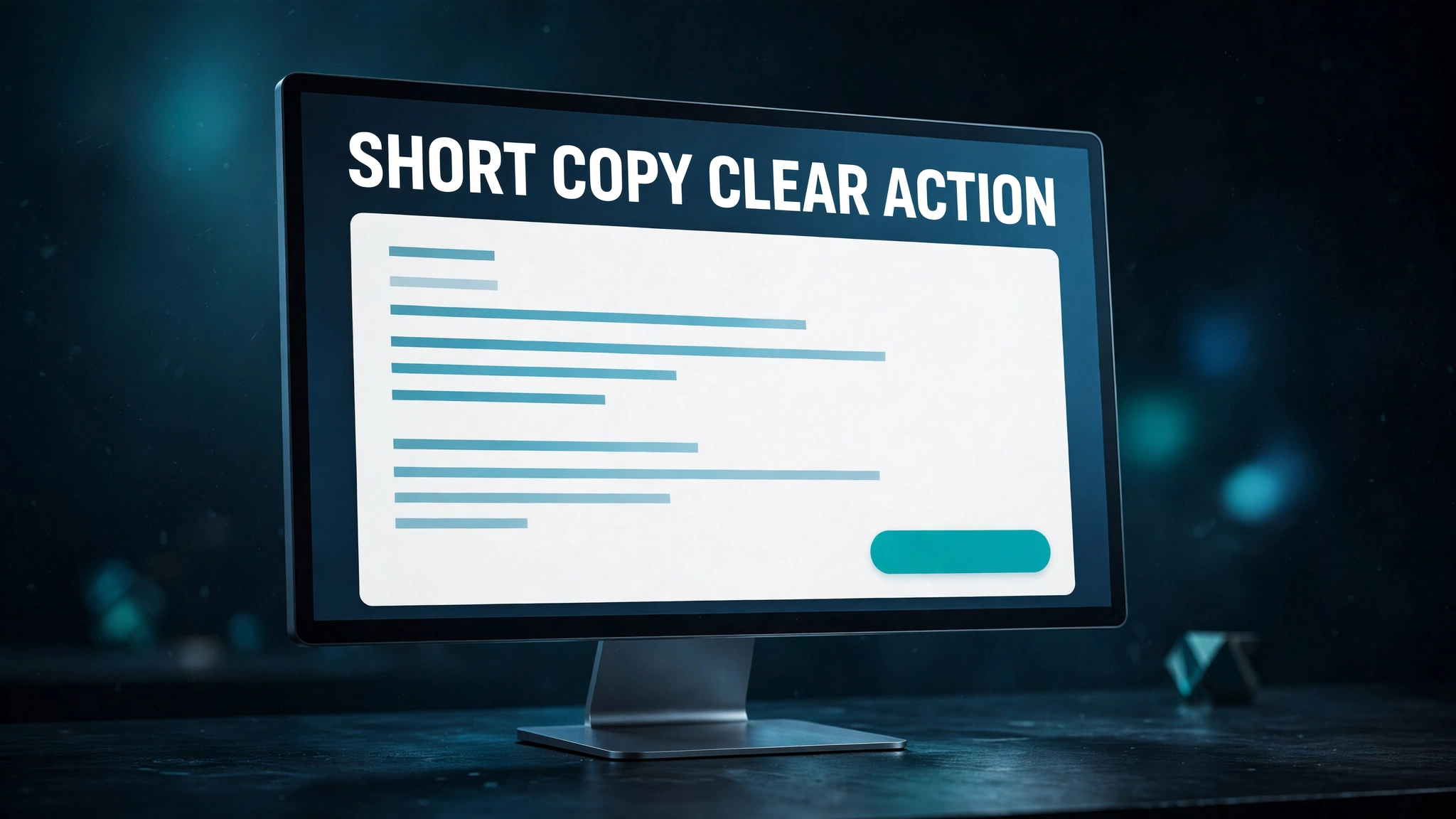
Good welcome copy is short, specific, and written for one reader. Each email should have one main idea and one main call to action. A welcome email with three offers, four links, and two stories asks the reader to decide too much, and most readers will decide nothing. Put the main point in the first two lines, because many readers decide from the preview alone. Use plain language, short paragraphs, and a single button that states the action, such as Shop Best Sellers, Start the Guide, or Complete Your Profile. Repeat the same button at the end for readers who scroll, but do not add a second competing offer.
Subject lines for welcome emails should be clear before they are clever. The first subject line should confirm the signup and name the benefit, for example Welcome, Your 10 Percent Code Is Inside, or Welcome, Your Quick Start Guide Is Here. Later subject lines should name the value of that email, not repeat Welcome again. The AI email subject lines guide gives formulas that suit welcome emails, including curiosity, benefit, and proof formulas, and the AI inbox guide explains how to write so an email summary still carries the main point. Avoid subject lines that promise something the email does not deliver, because the cost is trust, not just one open.
Design should support the copy, not compete with it. Use one hero element, a clear hierarchy, and enough white space for easy reading on a phone. Product images should show the exact items mentioned. For accessibility, use real text for the main message, a readable font size, and buttons with a clear label. Test every email on a phone and in a dark mode inbox before launch, and send a test to a real inbox, not only to a preview tool.
Tip: Write each welcome email so it works alone. Many subscribers will open only one or two emails in the series. If email three only makes sense after email two, a subscriber who missed email two will be lost. Repeat the core promise briefly, then add the new value of that email.
Welcome Email Examples by Business Type

Ecommerce welcome series front load product discovery, because purchase intent is highest at signup. Email one delivers the incentive. Email two shows best sellers by category. Email three adds reviews and buying guidance. Email four gives a final incentive reminder with a deadline. The ecommerce email marketing guide covers how the welcome series connects to cart recovery and post purchase flows, so a buyer who converts in the welcome series moves cleanly to the next flow without receiving a duplicate offer.
SaaS welcome series focus on activation, not purchase alone. Email one confirms the account and gives one setup step. Email two shows the most used feature. Email three shares a customer story with a clear result. Email four offers help. Email five asks for an upgrade only after the subscriber has reached a value milestone. The agentic AI email guide shows how AI agents can draft such sequences with human review before any send, and the cold email guide is a useful contrast, because cold outreach must earn attention without permission, while a welcome series already has it.
Newsletter and creator welcome series focus on habit and trust. Email one delivers the promised resource and sets the sending rhythm. Email two shares the best past issue. Email three asks one preference question, so later sends can match interests. Email four invites a reply, which also helps deliverability. The bulk sender requirements guide covers authentication and consent rules for every welcome series, and the BIMI guide explains how a verified brand logo can help a welcome email look trusted.
How to Measure a Welcome Email Series and Fix Weak Spots

Measure a welcome series by email position, not only by series average. An average can hide a weak email three or a strong email one. Track open rate with care, click rate, click to open rate, conversion rate, revenue per recipient, unsubscribe rate, and complaint rate for each email. Revenue per recipient is the strongest commercial signal for ecommerce, because it combines engagement and purchase value. For SaaS, track activation rate and trial to paid conversion by welcome email path. For newsletters, track reply rate, click rate, and retention after the series ends.
| Metric | What it tells you | Fix when it is weak |
|---|---|---|
| Open rate by email | Whether the subject line and sender name earn attention | Rewrite the subject line, check the sender name, check deliverability |
| Click rate by email | Whether the content and call to action match the promise | Sharpen one call to action, shorten the copy, match the link to the text |
| Conversion rate | Whether the series moves subscribers to the main action | Check the offer, the landing page, and the exit rules |
| Revenue per recipient | Commercial value of each subscriber who enters the series | Improve product matching, proof, and timing, not volume alone |
| Unsubscribe and complaint rate | Whether frequency or relevance is off | Slow the cadence, segment by source, remove inactive contacts |
Diagnose by position. A high unsubscribe rate on email two often means the story email feels irrelevant or too long. A low click rate on email three often means the recommendations do not match the signup source, or the call to action is unclear. Fix one email at a time, and test one change at a time. The interactive email guide shows how in inbox actions can lift clicks, but only when the action fits the email job.
Common Welcome Series Mistakes to Avoid
The most common mistake is sending the same series to every signup source. A checkout buyer, a quiz taker, and a discount seeker need different first emails, and a single generic series will feel wrong to at least one group. The second mistake is forgetting the exit rule, so buyers keep receiving welcome offers after purchase. The third mistake is stuffing too much into email one, so the main promise is buried under brand history, social links, and three offers. The fourth mistake is using a fake deadline. A code that expires, then gets extended again and again, teaches subscribers to ignore urgency. Use a real deadline, or use no deadline and give a different reason to act.
Other mistakes are easier to miss. Sending from a no reply address blocks replies that could help deliverability and trust. Using a different sender name in each email confuses the reader. Asking for too much data in email one reduces completion. Promising a weekly email, then sending daily, breaks the expectation set in email one. Never buy a list to feed a welcome series. A welcome series only works with permission, and a purchased list will damage deliverability before the series has a chance to work. The how to build an email list guide covers organic growth that keeps the series clean from the start.
Conclusion
A welcome email series works when it respects the signup moment. Send the first email at once, deliver the exact promise that earned the signup, and spread the story, proof, teaching, and final offer across a short sequence with one job per email. Segment by signup source, stop the series when a subscriber acts, and measure each email by position, not only by series average. That structure turns a fleeting signup into a relationship, and a relationship into a first purchase, a first activation, or a lasting reading habit.
Start with the five email blueprint in this guide, adapt it to one business type, and test it with real signups before adding branches. Keep the copy short, keep one call to action per email, and keep the exit rule strict. A welcome series does not need to be long to work. It needs to be timely, relevant, and honest about what comes next. Build it once, review it each quarter, and let the data decide how long it stays.
FAQs
What should a welcome email include?
A welcome email should include a clear confirmation of the signup, the exact promise that earned the signup, such as a discount code or a guide link, a short statement of what emails will follow and how often, and one clear call to action. Keep the first email short, put the promise at the top, and save the brand story and product proof for later emails in the series.
When should the first welcome email send?
The first welcome email should send immediately after signup, within minutes, through an event trigger, not through a daily batch. Interest is highest at the signup moment, and a delay risks losing that attention. Later emails in the series should spread over the first one to two weeks, with two to three days between sends for most businesses.
How many emails should a welcome series have?
Most welcome series have three to six emails. Start with four emails for most businesses: a promise email, a story email, a proof email, and a final reason email, with a teaching email added for a five email series. Use a longer series for high price products or SaaS activation, and a shorter series for simple offers. Let engagement by email position decide the final length.
Do welcome emails need a discount offer?
No, a welcome series does not need a discount to work. A discount can help for ecommerce signups that promised an offer, but a guide, early access, a checklist, a trial step, or exclusive content can work as well. The offer must match the signup promise. A discount offered to a checkout buyer who already bought, or to a subscriber who joined for education, will feel wrong and waste margin.
What is the difference between a welcome email and an onboarding email?
A welcome email series comes before purchase for most senders, and its job is to move a new subscriber toward a first meaningful action, such as a purchase, a trial start, or a return visit. An onboarding series comes after purchase or signup for a product, and its job is to help a new customer use the product, with setup steps and feature guidance. A buyer who converts in the welcome series should move to onboarding or post purchase emails at once.
How do I know if a welcome email series works?
Judge a welcome series by email position, using click rate, conversion rate, revenue per recipient, and unsubscribe rate for each email, not only by series average. Omnisend reports welcome automation benchmarks of a 33.79 percent open rate, a 3.78 percent click to sent rate, and about 6.30 dollars per email in its 2026 dataset, but compare a series with its own past results first. Fix the weakest email position first, test one change at a time, and keep the exit rule strict so buyers never receive a welcome offer after purchase.


