Autonomous mobile robots (AMRs) are smart vehicles that transport materials without human drivers. First, they scan the room using built-in sensors. Then, they drive around obstacles safely. As a result, modern warehouses use them to speed up daily operations and reduce physical labor.
Today, European logistics hubs face massive demand. Because of this, companies need faster ways to ship products. In fact, learning how AI automation saves time and reduces costs is a top priority for warehouse managers. In this guide, we will explore exactly how these self-driving robots work and why industry experts recommend them.
Third-Party Expert Review: The Market Shift
Third-party supply chain analysts watch the AMR market closely. Right now, independent researchers predict the global autonomous mobile robot market will grow past $7 billion by 2032. Why is this happening? According to top European logistics experts, the main reason is flexibility.
Unlike older machines, AMRs do not need expensive floor changes. Therefore, independent software reviewers consistently rate AMRs as the top choice for growing businesses. Specifically, these experts point out that AMRs provide a faster return on investment for companies facing high labor costs in countries like Germany and France.
How Do Autonomous Mobile Robots Work?
These automated carts use smart software and physical sensors to see the world. First, they map the building. Next, they plan a safe path to their goal without needing fixed tracks.
To fully understand this, we must look at the technology inside them.
SLAM Navigation and LiDAR Sensors
To move safely, AMRs use SLAM (Simultaneous Localization and Mapping). In short, the robot builds a digital map inside its computer brain while it drives. Also, it uses LiDAR sensors (Light Detection and Ranging). Specifically, these laser sensors bounce light off walls to measure exact distances instantly.
3D Depth Cameras and Edge Computing
Along with lasers, these machines use 3D depth cameras and stereo vision. Because of this, they can clearly see boxes or people on the floor. This gives them perfect collision avoidance and obstacle detection.
Furthermore, these robots process data instantly using edge computing. This means the robot thinks for itself without waiting for a cloud server. If a worker steps in the way, the robot stops right away. Then, it uses dynamic path planning to find a new route to its goal.
Autonomous Mobile Robots vs AGV: What is the Difference?
The main difference is how they move. Automated Guided Vehicles (AGVs) must follow fixed tracks or magnetic tape on the floor. But, AMRs navigate freely using digital maps and sensors.
For businesses looking to upgrade, understanding AMR vs AGV differences is critical. Therefore, independent logistics experts created the following detailed comparison matrix to help enterprise buyers choose.
| Technical Feature | Autonomous Mobile Robots (AMR) | Automated Guided Vehicles (AGV) | Third-Party Expert Verdict |
| Navigation System | Drives freely using LiDAR and SLAM | Follows floor tape, wires, or magnets | AMR wins for dynamic, busy floors |
| Obstacle Handling | Calculates new paths to drive around blockages | Stops completely and waits for humans | AMR wins to avoid workflow stops |
| Facility Setup Needs | Zero floor updates required | High physical floor updates required | AMR wins for rented warehouses |
| Route Flexibility | Very high (updated via software instantly) | Very low (requires moving physical tape) | AMR wins for changing layouts |
| Initial Cost Target | High software cost, low setup cost | Low software cost, high physical setup cost | Tie (Depends on company budget) |
Types of Autonomous Mobile Robots

Factories use several types of free-roaming bots. In fact, each type does a specific job on the factory floor.
Goods-to-Person (G2P) Robots
First, we have Goods-to-Person (G2P) fulfillment bots. Instead of workers walking miles to reach shelves, these robots bring the shelves directly to the workers. As a result, they save thousands of hours a year.
Mobile Manipulators (MoMa)
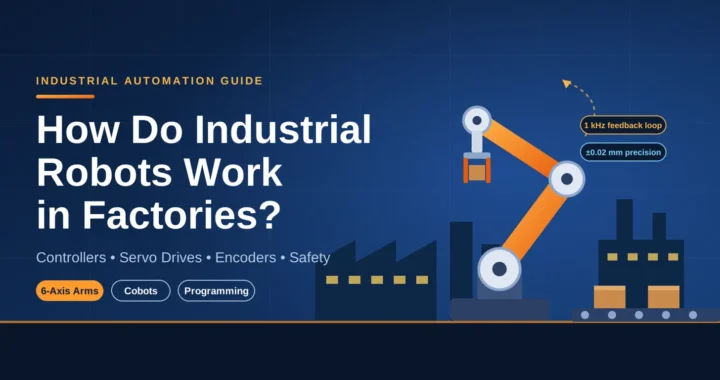
Next, mobile manipulators (MoMa) handle complex physical tasks. They feature a robotic arm placed on a moving base. Thus, they can pick small items from racks alone. To see how these arms function, read our expert guide on how industrial robots work in factories.
Heavy Payload and Towing Tractors
Finally, some jobs require huge payload capacity and towing capacity. Heavy-duty bots pull large carts full of metal or wood. For example, they pull heavy car parts across massive German auto plants daily.
AMRs in Warehouse Automation and Manufacturing
Right now, autonomous mobile robots in warehouse automation keep Europe running smoothly. For instance, large delivery centers in the Netherlands rely on them to pack orders faster.
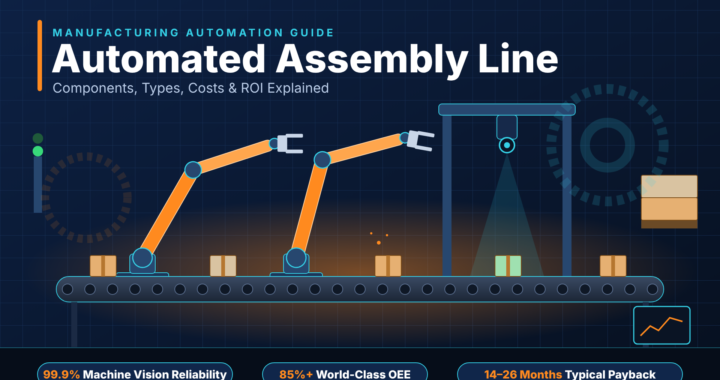
Also, autonomous mobile robots in manufacturing supply assembly lines perfectly. If a machine needs parts, the robot brings them exactly on time. Therefore, intralogistics and material handling cost much less. Due to this huge success, many top engineers now link them directly into modern automated assembly line systems.
AMR Fleet Management Software Integration
One robot is helpful, but a whole team needs a clear leader. So, businesses use AMR fleet management software.
This software connects directly to the Warehouse Management System (WMS). It also supports Enterprise Resource Planning (ERP) integration. Plus, many systems run on the open-source Robot Operating System (ROS 2). In short, the main computer receives an order and tells each cart exactly where to go. To run this complex software safely, IT managers need a strong background in mastering cloud tech infrastructure.
Autonomous Mobile Robot Safety Standards
Safety always comes first. Because of this, the European Union enforces strict rules for industrial autonomous mobile robots.
The most important rule is the ISO 3691-4 safety standard. This global law ensures the machines never crush or hurt human workers. In addition, European factories often use VDA 5050 fleet interoperability. This German standard lets different robot brands share the same software safely. Independent safety reviewers praise these strict rules because they create a completely safe work space.
Benefits of Autonomous Mobile Robots
Adding these smart carts offers incredible business value. Independent financial analysts point out four main benefits.
- First, they increase safety. Since they use smart sensors, they do not crash into people.
- Second, they work 24/7. They use opportunity charging with lithium-ion batteries. In other words, they charge themselves during quick five-minute breaks.
- Third, they lower daily costs. As a result, companies save serious money over time.
- Finally, they adapt quickly. If you change your factory layout, you simply update the digital map.
Challenges of Implementing Autonomous Mobile Robots
Still, we must look at the real challenges of implementing autonomous mobile robots. Experts warn that buying the robots costs a lot of money upfront. Next, the robots need a flawless Wi-Fi connection to move safely.
Also, these wireless networks attract hackers. Because of this risk, IT teams must spend time comparing network security tools like EDR vs XDR to block cyber attacks. Due to these steps, the first setup takes deep planning.
Autonomous Mobile Robots Cost and ROI
How much do these bots cost? Usually, they are expensive to buy on day one. But, the long-term autonomous mobile robots cost and ROI are excellent.
Since they work fast and never take sick days, companies earn their money back quickly. In fact, third-party financial reviewers note that most businesses reach full return on investment in just one to two years. Ultimately, this makes them a very smart purchase.
Frequently Asked Questions (FAQs)
What are the key components of autonomous mobile robots?
The main parts include LiDAR sensors, a central computer, and lithium-ion batteries. Also, they use a Programmable Logic Controller (PLC) to manage physical tasks.
How do AMRs know where they are without GPS?
If lasers fail, they use dead reckoning navigation. They rely on an Inertial Measurement Unit (IMU) and wheel odometry. In short, they count their wheel turns to guess their exact location.
What is AMR robotics for material handling?
This means using self-driving carts to transport boxes, parts, or pallets. As a result, human workers stop carrying heavy items across the floor.
Are autonomous mobile robots safe around people?
Yes, they are extremely safe. Because they use 3D depth cameras, they spot people instantly. Then, they stop moving long before a crash happens.
How do these robots charge their batteries?
They use opportunity charging. They drive to a charging pad automatically when their battery drops. Thus, they can run almost all day and night.
What is the future of autonomous mobile robots?
Soon, these machines will become cheaper and smarter. They will use advanced AI to talk with other warehouse software easily. Ultimately, they will make global supply chains much faster.
Conclusion
In conclusion, autonomous mobile robots are changing global logistics entirely. Because they drive freely and dodge obstacles safely, independent experts agree they easily beat older AGV systems. Plus, they follow strict European safety laws to keep humans completely safe. Even though the upfront costs are high, the financial payoff is huge. Therefore, any business that wants to fix its supply chain should add these smart robots to its team today.